-

EU Proposal Could Mandate User-Replaceable Batteries in Phones and Tablets
A draft EU proposal could require smartphones, tablets, and wireless earbuds sold in Europe to have user-replaceable batteries, a move aimed at reducing e-waste. The plan, which faces industry pushback, would force manufacturers to rethink device design. If adopted, it could have global implications for electronics production.
-

Nanoparticle Clot Buster Shows Promise in Early Lab Tests
Researchers have developed a nanoparticle-based drug delivery system that uses albumin-coated iron oxide nanoparticles to target and destroy blood clots. Early tests in human blood and mouse models show potential for preventing strokes, heart attacks, and pulmonary embolisms. Human trials are the next goal.
-

Pacific Ocean's Expanding Oxygen-Poor Zone Raises Alarms Among Researchers
A hypoxic zone off the Oregon coast, spanning 7,700 square miles, is alarming scientists who link its growth to climate change. Researchers warn that warmer waters hold less oxygen, threatening marine ecosystems and potentially expanding the zone's size and frequency.
-

CERN Data Hints at New Particles Beyond Standard Model
New measurements from the Large Hadron Collider show a 2.5 sigma discrepancy in meson decay rates, hinting at possible new physics. Researchers propose upgrading the collider to confirm the existence of leptoquarks or Z prime particles, which could reshape fundamental physics.
-

China's Space Station Hosts Synthetic Embryo Study to Probe Reproduction in Orbit
China has sent synthetic human embryos to its Tiangong space station to study how microgravity affects early human development. The experiment, led by the Chinese Academy of Sciences, aims to inform future long-duration space missions. Results will be analyzed after samples return to Earth.
-

Supercomputer Unlocks Proton Spin Puzzle After 37 Years
Using the Piz Daint supercomputer, an international team has calculated the missing 70% of proton spin, resolving a puzzle that has persisted since 1987. The breakthrough clarifies how quarks, gluons, and sea quarks contribute to nucleon spin, offering deeper insight into fundamental matter.
-

Physicists Propose a Real-World Device Inspired by a Sci-Fi Icon
Physicists from Australia and Switzerland have proposed a device they call a flux capacitor, which, unlike the movie prop, doesn't enable time travel but could advance quantum computing. Their designs, published in Physical Review Letters, use quantum tunneling to control microwave flow, potentially improving signal control in electronics.
-

Neutrino Experiment Offers New Clue to Universe's Matter Mystery
A Japanese experiment has produced data suggesting that neutrinos decay unevenly into matter and antimatter, a finding that could support the leptogenesis theory of why the universe is made of matter. The results, published in Nature, show a 95% probability of CP violation, though researchers stop short of calling it a discovery.
-
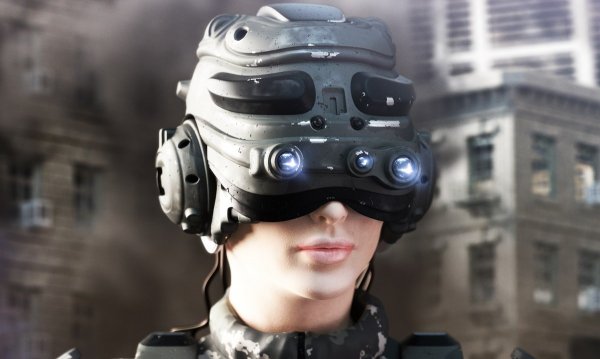
Pentagon Research Arm Targets Cyber Threats to Troops' Mixed Reality Gear
DARPA is seeking proposals to shield military mixed reality systems from cyber-induced cognitive attacks, which could cause physical illness, distraction, or disorientation. The initiative follows years of problems with the Army's HoloLens headsets, which caused nausea and were redesigned after soldiers complained. The program highlights growing concerns about the vulnerability of troops to digital manipulation in augmented environments.
-

Pentagon Pick Vows Sobriety Post-Confirmation Amid Allegations
Pete Hegseth, President-elect Trump's nominee for Defense Secretary, has pledged to abstain from alcohol only after Senate confirmation, raising concerns among lawmakers and former colleagues. The pledge follows allegations of excessive drinking and a 2017 sexual assault claim, complicating his path to the Pentagon's top job.
-

CBS Report: U.S. Lab Held Directed-Energy Device for Over a Year
A CBS 60 Minutes report, citing former CIA officers and anonymous officials, claims a suspected Havana Syndrome device has been in a U.S. military lab for over a year and was tested on animals. The segment reignites debate over the ailment's cause and alleged government coverups, while critics question the timing and credibility of the claims.
-
Flexible Nanotech Film Turns Everyday Objects into Touch Surfaces
Canatu's stretchable, conductive films enable touch sensors on curved or flexible surfaces, with over 40 companies testing the material. The first wearable devices using this technology are expected next spring, expanding touch control beyond flat screens.
-
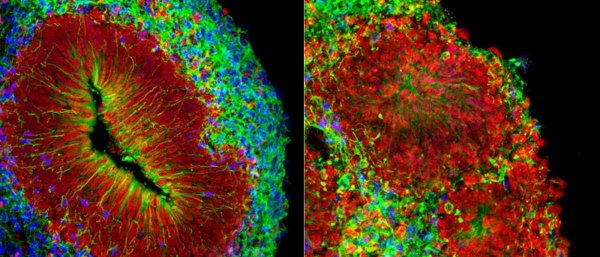
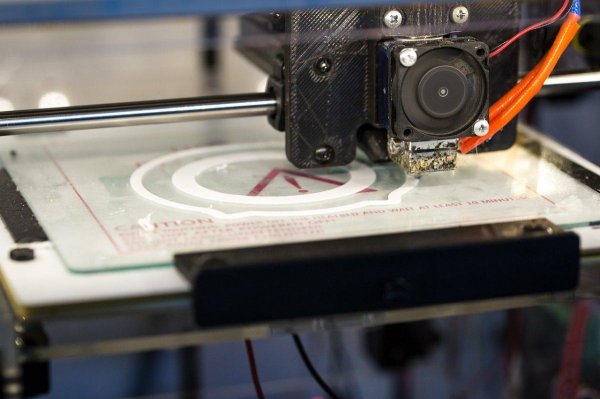
Teen's Low-Cost 3D Printed Bioreactor Boosts Brain Research Capacity
A 16-year-old high school intern designed a 3D-printed bioreactor called SpinΩ that grows hundreds of mini-brains at a fraction of the cost of commercial models. The device, built under Johns Hopkins mentorship, enables faster and broader experiments, including Zika virus studies, and its blueprint will be shared publicly.
-
Living cells folded into bowls and coils by UCSF bioengineers
Researchers at UC San Francisco have developed a method to guide living cells from mice and humans to fold into three-dimensional shapes such as bowls, coils, and ripples. Using a technique called DNA-programmed assembly of cells, they are translating natural developmental processes into engineering principles, potentially opening new avenues for tissue engineering and soft robotics.
-

Carbon Dioxide Surge Could Outpace Anything in 200 Million Years
A new study warns that if current emission trends persist, atmospheric CO2 could reach 2000 ppm by 2250—levels not seen since the Triassic. The rapid rate of increase, combined with a brighter sun, may create a climate with no known natural counterpart in 420 million years.
-
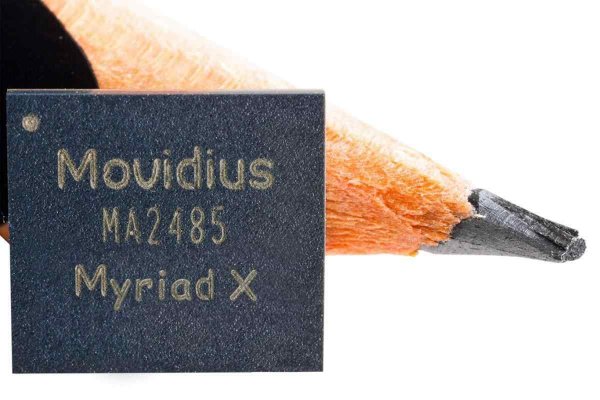
Intel's Myriad X VPU brings on-chip AI to drones, robots, and cameras
Intel's Movidius Myriad X is the first vision processing unit with a dedicated Neural Compute Engine, enabling devices like drones and smart cameras to process AI tasks locally at high speed and low power. The chip can perform one trillion operations per second within a watt, allowing real-time environmental interaction without cloud connectivity.
-

New Zealand Scientists Try Genetic Fix to Help Dairy Cows Beat Heat Stress
Researchers in New Zealand are using gene editing to help dairy cows cope with rising heat, but their first attempt ended in the deaths of two calves. The project aims to make cattle more resilient to heat stress, which already affects milk production and fertility.
-

Dinosaur-Killing Asteroid Debris Found in Fossilized Amber
Researchers have uncovered tiny fragments of asteroid dust preserved in amber from the Hell Creek Formation, offering a moment-by-moment record of the day a massive asteroid struck Earth 66 million years ago. The discovery, featured in a new PBS documentary with Sir David Attenborough, may help explain the sudden extinction of the dinosaurs.
-
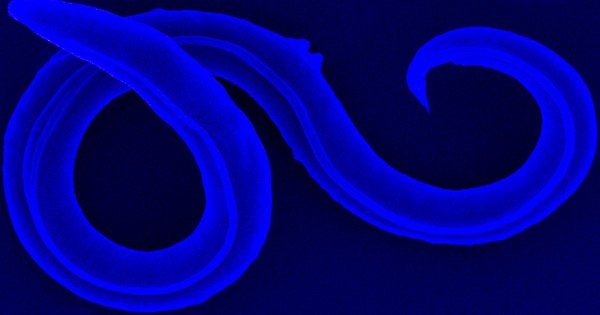
Ancient Worms Revived From Siberian Ice Begin Reproducing in Lab
Researchers revived 46,000-year-old roundworms found frozen in Siberian permafrost. The worms, a new species, resumed reproduction in the lab, offering insights into how life can survive extreme conditions and adapt to climate change.
-

Iowa's $3.6B Wind Push Aims for 85% Renewable Power by 2020
MidAmerican Energy received state approval for Wind XI, a $3.6 billion project to install 1,000 wind turbines across Iowa by 2019. The project is expected to generate 2,000 megawatts, bringing the company closer to its goal of providing 85% of its customers' electricity from renewable sources by 2020.