-
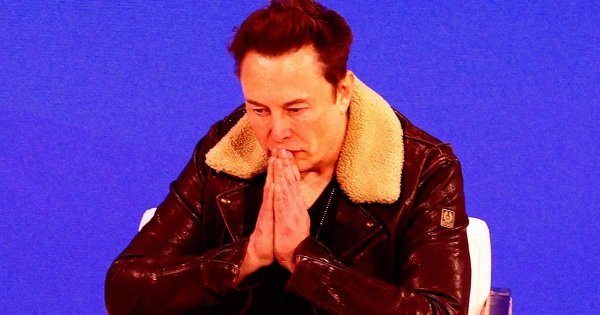
Musk Pledges to Adjust Grok AI After Political Bias Test
Elon Musk announced plans to modify his AI chatbot Grok after a political compass test showed left-leaning responses. The decision follows criticism from conservative users and a researcher's findings, with Musk citing inaccuracies in the test. xAI has since sought advice on improving the bot.
-

SoftBank’s Pepper Robot Expands to US With Android Support
SoftBank Robotics announced at Google I/O that its humanoid robot Pepper will arrive in the US, starting with a San Francisco office. Developers will gain access to an Android SDK and a virtual Pepper simulator, opening new possibilities for app creation and testing.
-

Rolls-Royce 103EX: A Self-Driving Sanctuary for the Ultra-Wealthy
Rolls-Royce has unveiled its first driverless concept car, the 103EX, a fully customizable, zero-emission vehicle designed as a mobile VIP lounge. The car features an AI concierge named Eleanor and a panoramic glass canopy, aiming to offer a serene, personalized travel experience for the world's elite.
-

AI and Bitcoin Team Up to Combat Human Trafficking
Researchers at the University of California have developed a tool that uses machine learning and bitcoin's blockchain to analyze online sex ads, helping investigators identify trafficking networks. In a pilot month, the tool accurately linked 90% of 10,000 ads to a single author, and one bitcoin wallet was tied to $150,000 in ad purchases.
-
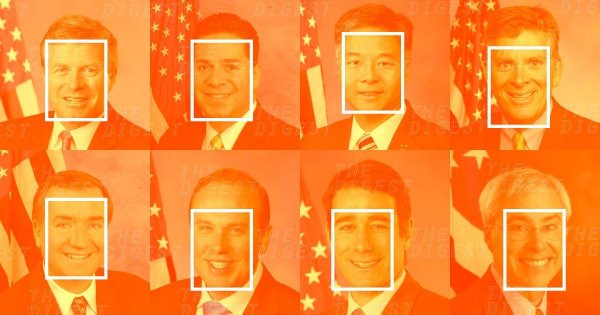
Facial Recognition Tool Flags 28 Lawmakers as Criminal Suspects
The ACLU's $12.33 test of Amazon's Rekognition falsely matched 28 members of Congress to mugshots, with a disproportionate impact on lawmakers of color. The findings raise concerns about the use of facial recognition in policing, prompting calls for Amazon to halt government contracts.
-

Google parts ways with prominent AI ethics researcher after dispute
Timnit Gebru, co-lead of Google's Ethical AI team, says she was fired after refusing to retract a research paper. Internal emails reveal a clash over review timelines and conditions for her continued employment. The departure has sparked concerns about corporate censorship of AI research.
-

AI-Generated Fashion Show Sparks Debate on Creativity and Jobs
A Twitter video showing hundreds of AI-generated fashion designs has ignited discussion about the role of text-to-image tools in creative fields. The collaboration between Paul Trillo and artist Shyama Golden highlights both the potential for rapid brainstorming and concerns about job displacement.
-

AI Imagines Chris Farley as the Joker, Stirring What-Ifs
New AI-generated images imagine the late comedian Chris Farley as Batman's Joker, sparking online buzz and raising questions about using artificial intelligence to reimagine films with actors who have passed away.
-

GM Explores ChatGPT Integration for Future Vehicle Infotainment
General Motors is investigating how to embed a ChatGPT-powered assistant into its vehicles, leveraging its existing alliance with Microsoft. The company's vice president outlined potential uses, from basic commands to instructional videos, though experts caution about the AI's reliability in critical driving contexts.
-

Jaron Lanier: AI's Real Threat Is Social Breakdown, Not Robot Uprising
In a recent interview, VR pioneer Jaron Lanier dismissed fears of an AI takeover as 'ridiculous,' arguing that the real danger lies in AI-driven misinformation and the erosion of shared understanding. He warns that unchecked generative AI could accelerate social fragmentation, potentially leading to civilization-level collapse.
-

Midjourney Reimagines Tech Billionaires in Slum Settings, Sparking Debate
An AI artist's series of images depicting billionaires like Mark Zuckerberg and Jeff Bezos in impoverished settings has gone viral, prompting discussions about wealth disparity and the ethical implications of AI-generated content. The images, created with Midjourney, rely on stereotypes and highlight the irony of tech moguls who invest in AI.
-

AI Coding Tools Now Mainstream for Most U.S. Developers, Survey Finds
A GitHub survey of 500 U.S.-based developers reveals that 92% already use AI tools in their workflow, with 70% citing a competitive edge. The findings underscore AI's rapid integration into coding, though experts caution about code quality and the company's vested interest in promoting its own AI assistant.
-

AI Market Rally Echoes Dot-Com Era, Analysts Warn
As AI stocks soar, analysts draw parallels to the late-1990s dot-com bubble, citing inflated valuations and market concentration. Yet today's leaders are established tech giants with real revenue, offering a key difference from the past.
-

Microsoft AI Researchers Expose 38TB of Internal Data on GitHub
A misconfigured storage URL in Microsoft's AI research team led to the exposure of 38TB of internal data on GitHub, including employee backups and private keys. The security firm Wiz discovered the leak, which could have allowed attackers to inject malicious code into Microsoft's AI models. Microsoft has resolved the issue, stating no customer data was exposed.
-

AI Maps Thousands of Unexplained Vegetation Rings Across Drylands
Researchers using a neural network trained on satellite images have identified thousands of circular vegetation patterns, known as fairy circles, in 263 dryland sites across 15 countries. The findings, published in PNAS, expand the known range of these enigmatic formations, though scientists remain divided on their origins.
-

Survey Reveals Widespread Teen Exposure to AI Sexual Content
A Common Sense Media survey of 1,314 U.S. teens finds nearly half have encountered AI-generated sexual content, often accidentally, with many altering their online habits out of fear. The report highlights the need for proactive conversations and systemic safeguards.
-

AI's Growing Appetite for Electricity Delays Coal Plant Shutdowns
The rapid expansion of AI data centers is straining the U.S. electricity grid, prompting utilities to postpone coal plant retirements. OpenAI's CEO warns of underestimated energy needs, while projections show data center power consumption tripling by 2030.
-

OpenAI Exit Agreements Require Lifetime Silence, Equity at Risk
A Vox investigation reveals OpenAI's off-boarding agreements impose lifetime non-disparagement clauses, with departing employees risking vested equity if they refuse to sign. Former employee Daniel Kokotajlo publicly forfeited a substantial sum rather than comply. OpenAI denies canceling vested equity, but the policy's implications for transparency in AI development remain contentious.
-

Microsoft Trims Data Center Leases Amid CEO's Skepticism on AI Returns
Microsoft has canceled some U.S. data center leases, according to TD Cowen, fueling speculation about overcapacity in AI infrastructure. CEO Satya Nadella recently downplayed AI's immediate value, while rivals like Alphabet continue massive spending. Analysts suggest the move may reflect shifting OpenAI contracts to SoftBank's Stargate project.
-
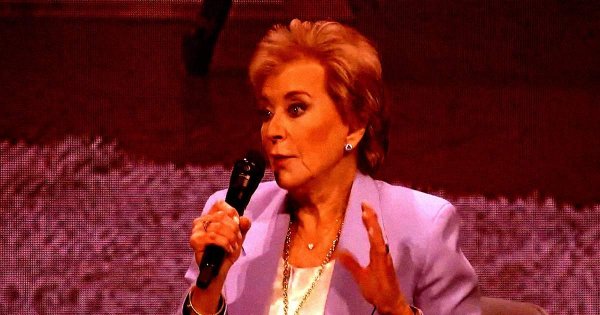
Education Secretary Linda McMahon's 'A1' Slip Raises AI Literacy Questions
At a Silicon Valley education summit, Education Secretary Linda McMahon repeatedly mispronounced 'AI' as 'A1,' raising concerns about the administration's grasp of technology in schools. The incident comes amid ongoing debates over AI's role in classrooms and the department's future.