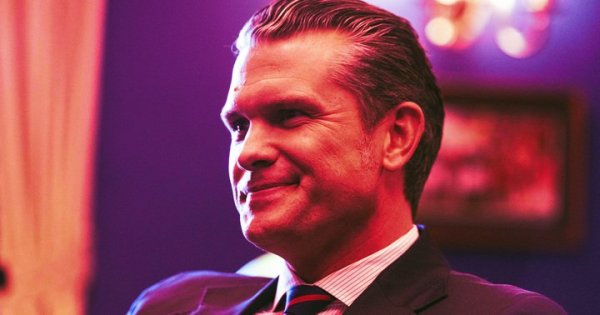
Pete Hegseth, President-elect Donald Trump's nominee for Secretary of Defense, has told senators he will stop drinking alcohol—but only after he is confirmed to lead the Pentagon, a condition that has intensified scrutiny of his fitness for the role. The former Fox News host and military veteran made the pledge during private meetings on Capitol Hill, according to reports, as he battles allegations of excessive drinking and a 2017 sexual assault claim that have put his confirmation in jeopardy.
Hegseth, 44, reiterated the promise publicly on the Megyn Kelly Show on Wednesday, comparing the defense post to a military deployment. "This is the biggest deployment of my life, and there won't be a drop of alcohol on my lips while I'm doing it," he said, as quoted by Newsweek. The remark drew immediate criticism from observers who noted that the condition—abstinence only after securing the job—undermines his denial of a drinking problem.
The allegations against Hegseth have become a flashpoint in the confirmation process, with even his own mother and senior Republican figures expressing concern. The 2017 sexual assault accusation, which Hegseth has denied, is the most serious claim, but it is the persistent reports of alcohol abuse that have dominated discussions. Former colleagues at Fox News told NBC News that they felt they had to "babysit" Hegseth due to his drinking, with one anonymous employee saying, "He should not be secretary of defense. His drinking should be disqualifying."
Unlike Matt Gaetz, Trump's initial pick for Attorney General, who withdrew his name from consideration amid his own sexual misconduct allegations, Hegseth has vowed to "fight like hell" for the position. However, Trump's transition team is reportedly frustrated with him behind the scenes, and the controversy shows no signs of abating.
Why the Pentagon Post Matters
The Secretary of Defense oversees the world's most powerful military, controlling everything from drone strikes to nuclear missile launch protocols. The stakes of the nomination have amplified calls for a thorough vetting, as lawmakers weigh whether Hegseth's alleged behavior—if true—would compromise his judgment in a role that demands sobriety and stability.
Hegseth's conditional promise has done little to assuage critics, who argue that an individual with a genuine drinking problem would not postpone sobriety until after assuming such a demanding position. The Senate Armed Services Committee has not yet scheduled a confirmation hearing, and the outcome remains uncertain as the allegations continue to surface.
For now, the fate of Hegseth's nomination rests on the willingness of senators to accept his pledge, and on whether further revelations emerge that could tip the balance against him.





Comments
0