-
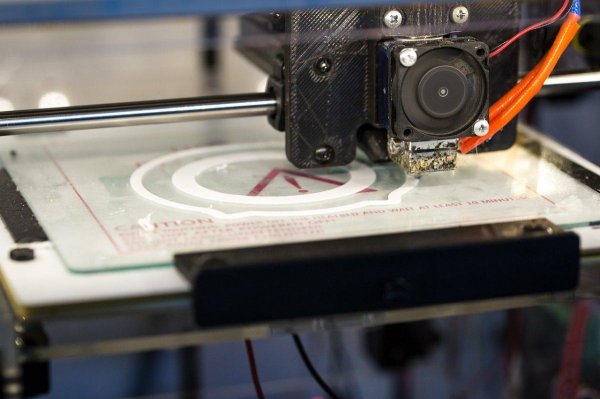
Living cells folded into bowls and coils by UCSF bioengineers
Researchers at UC San Francisco have developed a method to guide living cells from mice and humans to fold into three-dimensional shapes such as bowls, coils, and ripples. Using a technique called DNA-programmed assembly of cells, they are translating natural developmental processes into engineering principles, potentially opening new avenues for tissue engineering and soft robotics.
-
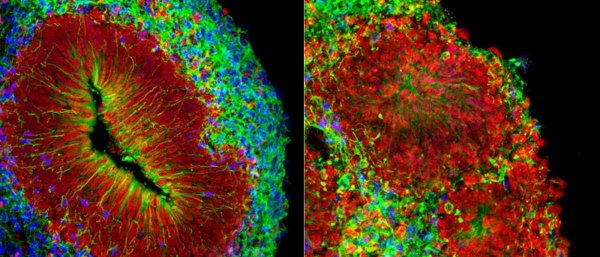
Teen's Low-Cost 3D Printed Bioreactor Boosts Brain Research Capacity
A 16-year-old high school intern designed a 3D-printed bioreactor called SpinΩ that grows hundreds of mini-brains at a fraction of the cost of commercial models. The device, built under Johns Hopkins mentorship, enables faster and broader experiments, including Zika virus studies, and its blueprint will be shared publicly.
-
Flexible Nanotech Film Turns Everyday Objects into Touch Surfaces
Canatu's stretchable, conductive films enable touch sensors on curved or flexible surfaces, with over 40 companies testing the material. The first wearable devices using this technology are expected next spring, expanding touch control beyond flat screens.
-
CBS Report: U.S. Lab Held Directed-Energy Device for Over a Year
A CBS 60 Minutes report, citing former CIA officers and anonymous officials, claims a suspected Havana Syndrome device has been in a U.S. military lab for over a year and was tested on animals. The segment reignites debate over the ailment's cause and alleged government coverups, while critics question the timing and credibility of the claims.
-

Pentagon Pick Vows Sobriety Post-Confirmation Amid Allegations
Pete Hegseth, President-elect Trump's nominee for Defense Secretary, has pledged to abstain from alcohol only after Senate confirmation, raising concerns among lawmakers and former colleagues. The pledge follows allegations of excessive drinking and a 2017 sexual assault claim, complicating his path to the Pentagon's top job.
-
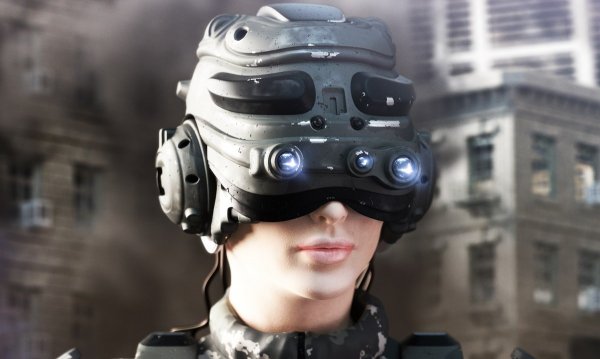
Pentagon Research Arm Targets Cyber Threats to Troops' Mixed Reality Gear
DARPA is seeking proposals to shield military mixed reality systems from cyber-induced cognitive attacks, which could cause physical illness, distraction, or disorientation. The initiative follows years of problems with the Army's HoloLens headsets, which caused nausea and were redesigned after soldiers complained. The program highlights growing concerns about the vulnerability of troops to digital manipulation in augmented environments.
-

Neutrino Experiment Offers New Clue to Universe's Matter Mystery
A Japanese experiment has produced data suggesting that neutrinos decay unevenly into matter and antimatter, a finding that could support the leptogenesis theory of why the universe is made of matter. The results, published in Nature, show a 95% probability of CP violation, though researchers stop short of calling it a discovery.
-

Physicists Propose a Real-World Device Inspired by a Sci-Fi Icon
Physicists from Australia and Switzerland have proposed a device they call a flux capacitor, which, unlike the movie prop, doesn't enable time travel but could advance quantum computing. Their designs, published in Physical Review Letters, use quantum tunneling to control microwave flow, potentially improving signal control in electronics.
-

Supercomputer Unlocks Proton Spin Puzzle After 37 Years
Using the Piz Daint supercomputer, an international team has calculated the missing 70% of proton spin, resolving a puzzle that has persisted since 1987. The breakthrough clarifies how quarks, gluons, and sea quarks contribute to nucleon spin, offering deeper insight into fundamental matter.
-

CERN Data Hints at New Particles Beyond Standard Model
New measurements from the Large Hadron Collider show a 2.5 sigma discrepancy in meson decay rates, hinting at possible new physics. Researchers propose upgrading the collider to confirm the existence of leptoquarks or Z prime particles, which could reshape fundamental physics.
-

Musk Pledges to Adjust Grok AI After Political Bias Test
Elon Musk announced plans to modify his AI chatbot Grok after a political compass test showed left-leaning responses. The decision follows criticism from conservative users and a researcher's findings, with Musk citing inaccuracies in the test. xAI has since sought advice on improving the bot.
-

Flawed AI Facial Matching Puts Innocent Man Behind Bars for 50 Days
A North Carolina man spent over 50 days in jail after a flawed AI facial recognition system linked him to a car theft in Florida. Despite an alibi, he was arrested, and his case is one of 14 known wrongful arrests linked to the technology, raising civil rights concerns.
-
Top AI Firms Hire Philosophers to Study Machine Consciousness
Anthropic, DeepMind, and Meta have brought on philosophers and ethicists to investigate whether AI models could possess consciousness. While the research is preliminary, it raises questions about moral responsibility and the future of AI development.
-
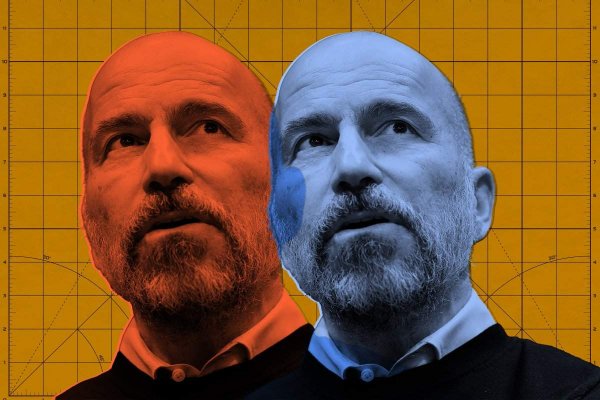
Uber Workers Use AI Clone of CEO to Rehearse Presentations
Uber employees have reportedly built an AI chatbot version of CEO Dara Khosrowshahi to rehearse their presentations before meeting him. Khosrowshahi shared the anecdote on a podcast, also revealing that 90% of Uber's coders use AI at work. The story highlights the growing role of AI in workplace preparation and productivity.
-

Silicon Valley Workers and OpenAI CEO Push Back on Pentagon AI Terms
A coalition of over 700,000 tech workers from Amazon, Google, Microsoft, and OpenAI has urged their employers to back Anthropic's refusal to remove safety guardrails on its Claude AI system, which the Pentagon demands for classified military use. OpenAI CEO Sam Altman sided with the workers, while Anthropic's CEO Dario Amodei faces a Friday deadline and threats of federal action.
-
Reich: AI Gains May Deepen Worker Pay Gap, Not Ease It
Former Labor Secretary Robert Reich cautions that AI-driven productivity gains may not translate into higher wages, citing a persistent gap between output and pay. He argues that shorter workweeks could come with proportional pay cuts, widening the divide between wealthy and working-class Americans.
-
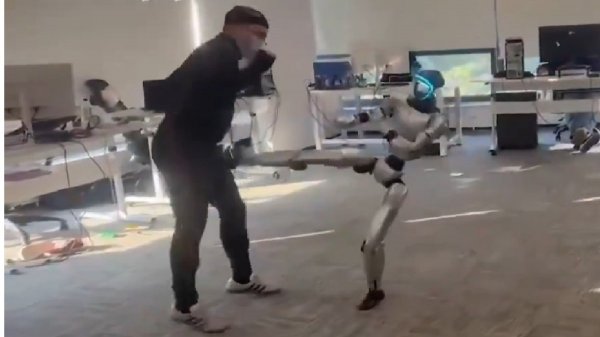
Humanoid Robot Lands Accidental Kick on Operator During Demo
A viral video shows a Unitree G1 humanoid robot accidentally kicking its operator during a kickboxing demo, highlighting the risks of neural network-based motion control. The clip, posted on Bilibili on Christmas Day, has sparked online jokes about AI safety and the current limits of humanoid robotics.
-

Spotify Removes AI-Generated Knockoff Tracks After King Gizzard Frontman Speaks Out
A fake band named 'King Lizard Wizard' used AI to copy King Gizzard & the Lizard Wizard's songs and lyrics on Spotify, racking up tens of thousands of streams before being taken down. The incident has intensified criticism of Spotify's handling of AI-generated content, with the band's frontman calling the situation 'truly doomed.'
-

OpenAI-Backed Animated Film 'Critterz' Aims to Reshape Hollywood Production
OpenAI is partnering with production studios in London and Los Angeles to produce 'Critterz,' a feature-length animated film made largely with generative AI. The project aims to cut production time from three years to nine months with a budget under $30 million, while raising concerns about job displacement and copyright issues in the animation industry.
-

Departing OpenAI Engineer Describes Fast-Paced Culture and Growing Pains
Calvin French-Owen, a former OpenAI engineer who worked on the Codex coding agent, detailed his experience at the company in a blog post, describing a culture of rapid decision-making, duplicated efforts, and leadership shifts. He noted that the company remains focused despite its breakneck growth, though the pressure is palpable.