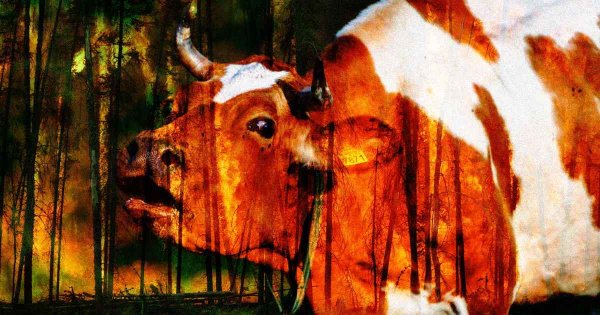
In an effort to shield dairy cattle from the escalating effects of a warming planet, researchers in New Zealand have turned to genetic modification. The initiative, led by scientists at the biotech firm AgResearch, aims to make cows more tolerant of heat, a condition that already hampers fertility and milk output in the country's herds. However, the first trial ended in the loss of both animals involved.
The project responds to a specific problem: heat stress. According to New Scientist, dairy cows in New Zealand experience heat stress during nearly 20 percent of their milking time. This physiological strain reduces their ability to conceive and leads to a notable drop in milk production, creating both animal welfare and economic concerns for the dairy sector.
To counteract this, the research team, headed by Goetz Laible, sought to introduce traits from beef cattle breeds into dairy cows. The desired characteristics include lighter coat colors and shorter hair, which are known to help animals dissipate heat more effectively. The challenge is that traditional crossbreeding would also bring along undesirable traits, such as reduced milk yield, making direct genetic modification a more attractive option.
The initial experiment, however, did not go as planned. Both of the calves that were born with the modified gray coats died shortly after birth, a setback attributed to complications arising from the cloning technique used in the process. The incident highlights the technical difficulties inherent in genetic engineering, particularly when cloning is involved.
Despite this early failure, the research team remains hopeful. Laible expressed optimism that the same genetic changes could be achieved without the need for cloning, which could avoid the complications that led to the calves' deaths. He told New Scientist that even modest gains in productivity from color-diluted cattle could translate into substantial environmental benefits on a global scale, suggesting that the approach could eventually help reduce the carbon footprint of dairy farming.
The broader context is significant. The cattle industry is both a contributor to and a victim of climate change, and finding ways to help animals adapt is seen as a key part of making agriculture more sustainable. While the path forward is not without obstacles, the research represents a step toward a future where livestock are better equipped to withstand the changing climate.
As the world grapples with the impacts of a warming planet, the need for innovative solutions in food production becomes more pressing. The New Zealand project, despite its initial setback, underscores the potential of genetic science to address real-world challenges, even as it reminds us of the complexities involved in such endeavors.




Comments
0