Researchers at Columbia Engineering have unveiled a novel device that harnesses sunlight to split seawater into hydrogen fuel, a process that avoids the carbon emissions associated with conventional hydrogen production. The prototype, called a floating photovoltaic (PV) electrolyzer, could eventually be scaled up into ocean-based platforms resembling deep-sea oil rigs, but instead of extracting oil, they would generate clean hydrogen.
The challenge with traditional hydrogen fuel production is that it relies on steam methane reforming, which releases carbon dioxide (CO2), a greenhouse gas. This undermines the environmental benefits of hydrogen, which burns to produce only water. Daniel Esposito, an assistant professor of chemical engineering at Columbia Engineering, sought a cleaner method using water electrolysis, which separates water into hydrogen and oxygen gases without CO2 byproducts.
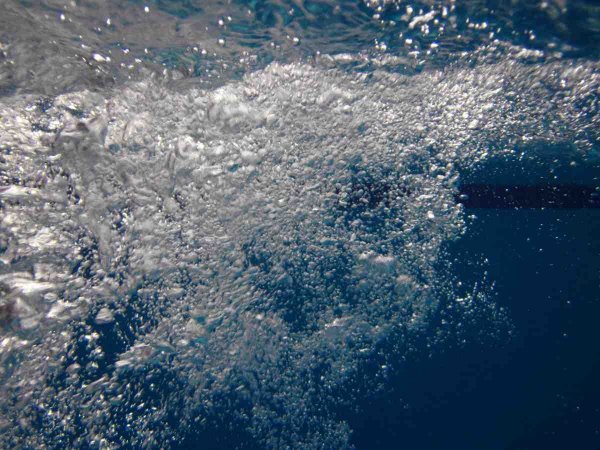
Esposito and his team developed a membrane-free electrolyzer that uses a unique electrode configuration to separate hydrogen and oxygen based on the buoyancy of their bubbles in water. This design eliminates the need for membranes, which are vulnerable to impurities and microorganisms in seawater, potentially reducing costs and improving durability.
The prototype has been tested in the lab with ideal electrolytes, producing hydrogen gas with 99 percent purity. However, it has not yet been tested with real seawater, which presents additional challenges. The team plans to improve the design's efficiency and scale it up for larger operations.
Why Membrane-Free Matters
Most commercial electrolyzers rely on membranes to keep hydrogen and oxygen gases separate. These membranes can degrade when exposed to seawater's impurities and microorganisms. Esposito's device avoids this issue, making it more suitable for long-term use in marine environments. The simplicity of the architecture also eliminates the need for pumping liquids within the device, further reducing complexity and potential failure points.
Esposito noted in a press release that the design's low cost and high durability make it particularly attractive for seawater electrolysis compared to current devices with membranes. He emphasized that while there are many possible technological solutions for a sustainable energy future, the challenge is to find scalable and economical technologies that can convert sunlight into storable energy for times when the sun isn't shining.
The development comes as other scientists are also working on materials to produce hydrogen fuel from seawater, suggesting that practical devices may become available sooner than expected. Esposito's team is focused on improving the prototype's performance and building larger electrolyzers that could be deployed at sea.
While the technology is still in its early stages, the potential for floating solar-powered hydrogen production offers a promising path toward reducing reliance on fossil fuels. The ability to store hydrogen as an energy carrier could complement intermittent renewable sources like solar and wind, providing a reliable supply when conditions aren't ideal.






Comments
0