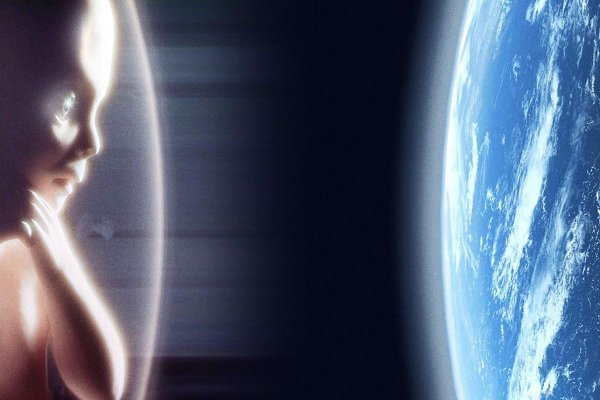
China has initiated a novel biological experiment aboard its Tiangong space station, sending synthetic human embryos into orbit to examine how microgravity influences a pivotal stage of human development. The project, which began this month, marks the first time such samples have been studied in space, according to the Chinese Academy of Sciences.
The embryos, derived from human stem cells, closely mimic natural embryos but are not capable of developing into a fetus. Project leader Yu Leqian, a researcher at the Chinese Academy of Sciences' Institute of Zoology, stated that while the samples are not real embryos, they serve as a model for investigating early human development. The experiment is part of broader efforts to understand whether humans can reproduce beyond Earth, a question that becomes increasingly relevant as space agencies plan long-duration missions to the Moon and Mars.
The synthetic embryos were delivered to the station on May 11 via the Tianzhou-10 resupply mission. Once aboard, they were placed in the station's experimental module, where they are maintained in two distinct setups. One group is cultured on uterine cells to simulate the implantation stage, while the other is suspended in a microfluidic chip to mimic the early organization of tissues and organs. This dual approach allows researchers to observe different developmental milestones under the same microgravity conditions.
Yu reported that the experiment is progressing smoothly, with an automated system changing the culture medium daily. The samples are scheduled to remain in orbit for five days before being frozen for return to Earth. Once back, they will be compared with a control group kept on the ground to assess the impact of space conditions.
Previous Animal Studies Offer Context
This human-focused study builds on earlier animal experiments that yielded mixed results. In 2016, Chinese scientists successfully grew mouse embryos in space, reaching the blastocyst stage—the point at which an embryo is ready to implant in the uterus. More recently, in 2023, Japanese researchers replicated the feat, finding that embryos in microgravity had a 24 percent chance of reaching the blastocyst stage, roughly half the rate observed on Earth.
While these findings suggest that microgravity poses challenges, they also indicate that reproduction in space might be possible under certain conditions. The Japanese study, for instance, showed that embryos in an artificial gravity environment had a five percent higher chance of reaching the blastocyst stage compared to those in microgravity. This has led scientists to consider countermeasures, such as artificial gravity, to mitigate the effects of space on reproduction.
Yu told the South China Morning Post that the current experiment is a first attempt to answer fundamental questions about human survival and reproduction in space. He expressed hope that the answer would be affirmative, but emphasized that the results are not yet known. The samples' return to Earth will provide the first concrete data on how synthetic human embryos fare in orbit.
The study underscores the gradual progress in space biology, moving from animal models to human-derived samples. While the synthetic embryos are not viable for development, they offer a safe and ethical means to study early developmental processes in space. The findings could inform future missions that require humans to live and work in space for extended periods, potentially laying the groundwork for sustained off-world settlements.




Comments
0