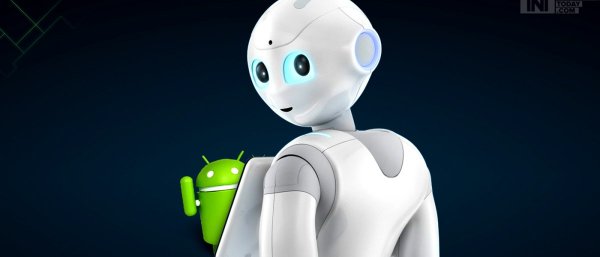
SoftBank Robotics Corp. used last week’s Google I/O conference to announce that its humanoid robot Pepper will finally cross the Pacific, with a new San Francisco office serving as the beachhead for US development. The company also revealed that Pepper, currently running on Linux, will soon support Android, complete with a software development kit (SDK) that lets programmers build and test applications on a virtual version of the robot before deploying them to the physical unit.
The move signals a significant step in bringing the so-called “emotional robot” to American developers and businesses. Pepper, which has already gained traction in Japan and other markets, is designed to recognize human emotions and engage in basic conversation, making it a candidate for customer service, retail, and hospitality roles. By opening a San Francisco outpost, SoftBank aims to foster a local ecosystem of developers who can tailor Pepper’s capabilities to US-specific use cases.
Android SDK Opens New Avenues
Perhaps the most notable announcement is the upcoming Android SDK. Previously, developers worked with Pepper’s Linux-based system, which limited the pool of programmers familiar with the platform. With Android support, a much larger community of mobile developers can now create apps for Pepper using tools and languages they already know. The SDK is expected to be released alongside the robot’s US launch, though SoftBank has not yet specified a precise date.
One key detail: developers who obtain the SDK will not receive a physical Pepper unit unless they purchase one. Instead, they will work with a virtual simulator that mimics Pepper’s movements and interactions. This approach lowers the barrier to entry, allowing developers to experiment and prototype without the upfront cost of a robot, which is expected to be priced in the thousands of dollars.
Why This Matters for the Robotics Industry
The introduction of an Android SDK and a virtual development environment could accelerate innovation in social robotics. By leveraging the ubiquity of Android, SoftBank is positioning Pepper as a platform rather than a standalone gadget. This strategy mirrors the success of smartphones, where a large developer community drives adoption through a rich app ecosystem.
For US businesses, the arrival of Pepper could mean new opportunities in customer engagement and automation. However, SoftBank has yet to announce pricing, availability, or specific partner integrations for the American market. The San Francisco office will likely serve as a hub for demonstrations, partnerships, and developer outreach.
As Pepper prepares to land on US soil, the robotics community is watching closely. The combination of emotional intelligence, Android compatibility, and a virtual testing ground could make Pepper a versatile tool for developers and enterprises alike. While the timeline remains vague, the announcement at Google I/O signals a clear intent to make Pepper a global player in the growing field of human-robot interaction.





Comments
0