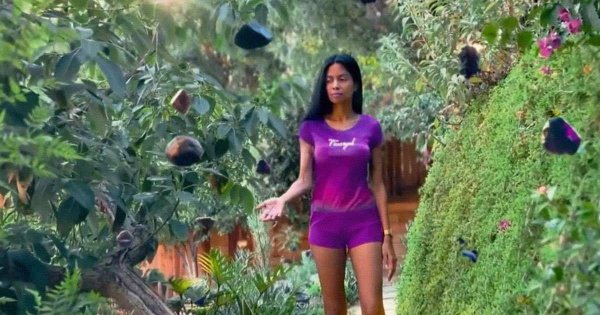
In a striking display of artificial intelligence's reach, a Twitter video featuring hundreds of AI-generated fashion designs has captured widespread attention, prompting fresh debate over the technology's role in creative industries. The clip, posted by user Paul Trillo, showcases a rapid sequence of vibrant outfits created using OpenAI's DALL-E text-to-image generator, in collaboration with artist Shyama Golden.
Trillo described the project as "an interesting way to brainstorm costume and fashion design ideas," underscoring a practical application that extends beyond novelty. The video, which surfaced yesterday, offers a glimpse into how generative AI could transform the early stages of design, allowing creators to explore a vast array of concepts in seconds.
From Brainstorming to Production
The potential for such tools in fashion is significant, particularly for fast-fashion retailers that prioritize speed and volume. Many of these companies already release thousands of new designs daily, and AI could accelerate that output further, directly impacting their operational efficiency. Beyond brainstorming, the technology may find roles in virtual fashion shows and digital influencer marketing, areas where brands have already begun to experiment.
Trillo and Golden are not alone in leveraging text-to-image services for creative ideation. Artists across various disciplines have reported using these programs to streamline their workflows, whether the final products remain digital or are translated into physical forms. This trend signals a broader shift in how creative work is approached, with AI serving as a collaborative partner rather than a mere tool.
Controversy and Concerns
However, the integration of AI into creative fields is not without friction. Philosophical questions about the nature of AI-assisted creativity have emerged, alongside more practical worries about job security. These concerns have intensified following OpenAI's announcement that images generated by DALL-E 2 can be bought and sold, effectively commercializing AI-produced art.
OpenAI CEO Sam Altman addressed this shift in an April blog post, noting a reversal in the expected order of AI's impact. "A decade ago, the conventional wisdom was that AI would first impact physical labor, and then cognitive labor, and then maybe someday it could do creative work," he wrote. "It now looks like it's going to go in the opposite order."
As the fashion industry weighs the benefits of AI-driven efficiency against the potential costs to human creativity and employment, the conversation is far from settled. The viral video serves as a catalyst, illustrating both the allure and the unease that accompany this technological leap.


Comments
0