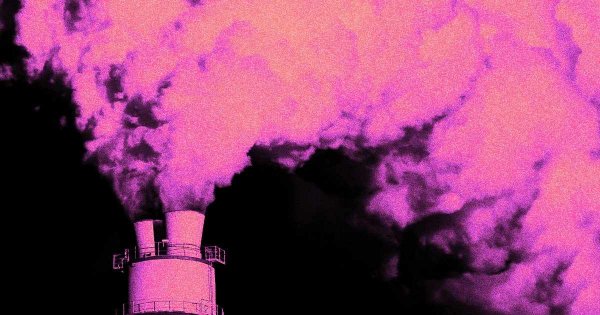
The rapid growth of artificial intelligence is intensifying pressure on the U.S. electricity grid, forcing utilities to postpone the retirement of coal-fired power plants. According to a Bloomberg report, the energy demands of AI data centers are so significant that some facilities slated for closure are now expected to operate for several more years.
OpenAI CEO Sam Altman acknowledged the challenge at the World Economic Forum last week, stating, “We do need way more energy in the world than we thought we needed before. We still don’t appreciate the energy needs of this technology.” His comments underscore a growing recognition that AI's infrastructure is far more power-hungry than traditional computing.
AI data centers differ from conventional ones in that they are packed with specialized graphics processing units (GPUs) that handle complex tasks, consuming considerably more electricity. This has led to a surge in demand that utilities are struggling to meet.
Utilities Respond to Rising Demand
In Kansas City, Meta is constructing a large data center, and the local utility Evergy has announced a five-year delay in retiring a coal plant, pushing its closure to 2028. Similarly, in Northern Virginia's “data center alley,” Dominion Energy temporarily halted new data center connections in 2022, and while a representative clarified that the pause lasted only a few months, the company is still considering keeping a coal plant and several natural gas units online to meet demand, despite having a major wind farm under development.
These actions reflect a broader trend across the nation. A Boston Consulting Group analysis cited by Bloomberg projects that electricity consumption at U.S. data centers will triple by the end of the decade compared to 2022 levels. That increase is equivalent to the power used by about one-third of all American homes, accounting for roughly 7.5% of the country's projected energy demand.
While renewable energy sources could help alleviate some of the strain, experts point to a significant bottleneck: the lack of sufficient transmission lines to connect wind and solar farms to the grid. Ari Peskoe, director of the Electricity Law Initiative at Harvard Law School, told Bloomberg, “The worst-case scenario is utilities don’t adapt and keep old fossil-fuel capacity online and they don’t evolve past that.”
If these energy challenges persist, the waning hype around AI itself could provide some relief. The technology is undeniably power-intensive, but its prevalence may be overstated, which could temper future demand.






Comments
0