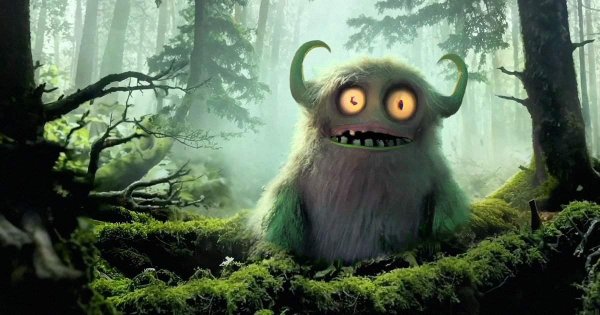
OpenAI has joined forces with production companies in London and Los Angeles to produce a feature-length animated movie, titled Critterz, that will be made largely with artificial intelligence. The project, first reported by the Wall Street Journal, is designed to accelerate production timelines and reduce costs while serving as a high-profile demonstration of AI's capabilities for the entertainment industry.
The film follows forest creatures on an adventure, a concept developed by Chad Nelson, an OpenAI creative specialist, three years ago. Nelson initially created a short film of the same name, which was released in 2023 with funding from OpenAI. The feature version is now moving forward with backing from Vertigo Films, a London-based production company, and an unnamed studio in Los Angeles.
Production Goals and Budget
James Richardson, co-founder of Vertigo Films, told the WSJ that the primary objective is to condense the production of Nelson's vision from three years to just nine months. The budget for Critterz is less than $30 million, a figure substantially lower than typical animated features, which often exceed $100 million. This cost efficiency is central to the project's appeal, as studios seek to streamline workflows and cut expenses.
The initiative draws comparisons to the early days of CGI animation in the mid-1990s, when Pixar, heavily funded by Apple co-founder Steve Jobs, revolutionized the industry with films like Toy Story and Monsters Inc. However, whether generative AI will similarly transform the medium remains uncertain, given persistent technical challenges that often require human intervention to correct flawed outputs.
Industry Context and Concerns
The announcement comes amid a surge of generative AI adoption across Hollywood, with major studios including Disney and Netflix experimenting with the technology. Yet the push has sparked fears among working creatives, who worry that AI tools could replace human animators. Experts have long warned that image and video generators are becoming increasingly capable of producing believable content, potentially leading to widespread job losses in the animation sector.
Nelson has sought to allay these concerns, telling the WSJ that Critterz will not rely entirely on AI. Human actors will voice the characters, and human artists will provide sketches that feed into OpenAI's tools. This hybrid approach is intended to preserve a human touch while leveraging AI's efficiency.
Copyright and Legal Hurdles
The project also navigates a complex legal landscape. While AI-generated content cannot technically be copyrighted, the human-created voices and original artwork that underpin the film could still qualify for copyright protection, according to experts cited by the WSJ. This distinction is critical as rightsholders increasingly sue AI companies for using copyrighted material without permission.
The broader legal environment remains contentious. Just last week, AI startup Anthropic agreed to pay $1.5 billion as part of a class action settlement after being accused of training its models on hundreds of thousands of pirated books. Such cases underscore the risks AI companies face as they expand into creative domains.
Whether Critterz will succeed commercially or artistically is far from guaranteed. Public backlash against AI-generated content has been notable, with audiences growing wary of the technology's use in entertainment. The film's fate may hinge on how well it balances innovation with the human elements that audiences expect.
For now, Critterz stands as a test case for whether generative AI can move beyond short clips and into full-length features, potentially reshaping the economics of animation. But the road ahead is fraught with technical, legal, and public perception challenges that could determine its impact on the industry.




Comments
0