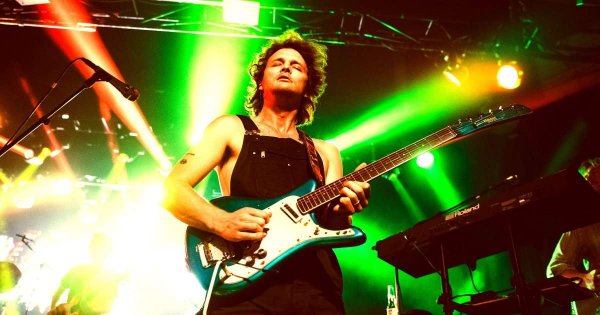
Spotify has removed an AI-generated imitation band that mimicked the Australian rock group King Gizzard & the Lizard Wizard, after the band's frontman publicly condemned the platform for allowing the fake act to accumulate tens of thousands of streams. The impersonator, operating under the name 'King Lizard Wizard,' used AI to produce songs with identical titles and copied lyrics and sound, remaining on the streaming service for weeks before detection.
The removal follows a statement from Stu Mackenzie, the band's lead singer, who expressed frustration at the situation. 'Trying to see the irony in this situation,' he said, as quoted by The Music. 'But seriously wtf we are truly doomed.'
Spotify confirmed the takedown, with a spokesperson telling Futurism that the platform 'strictly prohibits any form of artist impersonation.' The spokesperson added that the content was removed for violating platform policies and that no royalties were paid out for the streams generated.
Why This Keeps Happening
This is not the first time King Gizzard has been targeted. As The Platformer reported last month, another impersonator had previously attempted to profit from the band's royalties using AI. The recurrence raises questions about Spotify's ability to enforce its own rules, especially after the company announced new policies in September aimed at protecting artists from 'spam, impersonation, and deception.'
Despite these measures, AI-generated impersonations have continued to surface in users' Release Radar and Discover Weekly playlists, which Spotify actively recommends. The company's reactive approach—removing content only after it is flagged—has left many artists skeptical about the platform's commitment to safeguarding their work.
Broader Context: Artists Leaving Spotify
King Gizzard's decision to pull their music from Spotify earlier this year was part of a broader protest against the platform's leadership and business practices. The band cited CEO Daniel Ek's investment in an AI weapons company as a key reason for their exit. Other artists have also left Spotify, citing low per-stream payouts and the company's donation to President Donald Trump's inauguration ceremony.
The latest incident adds to a growing list of grievances that have pushed musicians to seek alternative platforms. For King Gizzard, the experience has reinforced their decision to distance themselves from Spotify, even as the platform struggles to contain what critics describe as an influx of low-quality, AI-generated content.
Spotify's response—removing the offending material and stating that no royalties were paid—does little to address the underlying issue of proactive moderation. As one artist put it, the platform is playing a 'cat-and-mouse game' that leaves creators vulnerable to exploitation.
For now, the fake band is gone, but the incident serves as a reminder of the challenges streaming services face in distinguishing between genuine artistry and AI-generated imitations. Whether Spotify can restore trust among artists remains an open question, as more musicians consider whether the platform's benefits outweigh its risks.


Comments
0